日独経済日記

「毎日がうまくいく366のヒント」の訳者:今のドイツのリアルをお届けします

デュッセルドルフ南公園(Südpark)訪問日記

応援クリックは何よりも更新の励みになります。
ブログランキング・にほんブログ村へ にほんブログ村 海外生活ブログ ドイツ情報へ  にほんブログ村 外国語ブログ ドイツ語へ  にほんブログ村 投資ブログへ

本日は小さな孫娘二人を連れて、デュッセルドルフ市最大の公園であるSüdpark でピクニックを敢行。

Südparkの概要

  • 1893年に「Volksgarten(フォルクスガルテン)」として27ヘクタールで開園。
  • 現在デュッセルドルフで最大かつ最も訪問者が多い公園
  • 最寄り駅: Oberbilk、Südpark、Volksgarten、Provinzialplatz

本日の散策ルート(幼児のいる家庭用)

  1.  U76のProvinzialplatzで下車
  2. 冒頭地図右中央のFranz von Sales Kirch横から入園、西進
  3. 地図⑰Deichgrafを左手に見ながら西進
  4. 地図下の大きな池を左手に見ながら西進
     大きな白鳥がいて子供たちは大喜び

    草、水域の画像のようです
  5. 途中のPlaygroundを堪能
     ネギやニンジンがポールのように立っていて壮観

  6. Playground近くの売店で、昼食用調理パンやお土産などを購入
     子供用おもちゃが非常に充実
  7. 近くのミニ動物園(地図⑪Streichelzoo、無料)でウサギ、ヤギ、ヒツジ
    などを観察
  8. 近くのベンチでピクニックランチ 
  9. 徒歩で1時間かけてAltstadtの自宅に帰宅

    【毎日が必ずうまくいく366のヒント

prtimes.jp

解説ショート動画集

www.youtube.com


気に入って頂けましたら、今日の応援(↓ポチっと)よろしくお願いします(1秒で済みます)。
応援クリックは何よりも更新の励みになります。
ご質問などございましたら遠慮なくコメント欄にお寄せください。

ブログランキング・にほんブログ村へ にほんブログ村 海外生活ブログ ドイツ情報へ  にほんブログ村 外国語ブログ ドイツ語へ  にほんブログ村 投資ブログへ


最近のAfDの躍進に対する最低限のリスク管理


 <Japanese>

エネルギー高や物価高、長期化する経済低迷、さらには難民・移民政策への不満を一身に集め、右派ポピュリズム政党「ドイツのための選択肢(AfD)」の躍進が止まりません。全独ベースの世論調査における支持率は3割近くに達し、トップを独走しています。かつて「AfDを半減させる」と豪語したメルツ首相ですが、皮肉にも足元で支持を半減させたのは自身率いるCDU/CSUでした(2020年コロナ初期の支持率ピーク比)。AfDが単独過半数を握らない限り即座の政権奪取はないものの、同党を排除した連立形成は難航を極め、仮に発足しても大胆な政策判断は望めません。加えて、反EU・排外的な機運の高まりは高度外国人材のドイツ敬遠を招き、深刻な人手不足と産業競争力の低下に拍車をかけるリスクを孕んでいます。国家機密に触れるAfD議員の増加により、危険な第三国への情報漏洩を懸念する声も高まっています。

このような状況下、在独日系企業としては、特に以下三点に留意すべきと考えています。
①優秀な人材の獲得・維持: シニア世代の大量退職で人手不足が一段と進むなか、採用要件の柔軟化や社内英語化を徹底するなど、ターゲット層の裾野を広げる工夫が重要です。
②シナリオプランニングの再構築: 対ロシア制裁や気候変動政策など、AfDが強く反発する領域での政策変更リスクを事業計画内でも配慮する必要があります。
③外国人従業員の安全確保とケア: 地域ごとのリスクを把握し、生活圏の治安情報共有やメンタル面でのサポートなど、丁寧な生活支援を講じるべきでしょう。

そして、一見して外国人と分かる私たち在留日本人にとっても、日常生活におけるリスク管理の重要性が高まっています。ドイツは基本的に治安が良く、外国人への重大犯罪は統計上まれとはいえ、社会の緊張が高まる局面では警戒を怠れません。周囲の状況への目配りやデモへの接近回避、夜間の単独行動を避けること、そして差別的な挑発に乗らないといった、基本的な安全行動の徹底がこれまで以上に大切です。また、議論を好むドイツ社会であっても、移民や治安、国家アイデンティティを巡る対立は今や感情的な摩擦を生みやすい地雷原となっています。安易に深入りせず、健全な距離感を保つ知恵が求められます。

ドイツには、揺るぎない法治主義の伝統と、自浄作用が機能する市民社会の強靭さがあります。過度に恐れを抱くのではなく、社会の変容を正しく理解した上で、現実的な備えを重ねていく――現場に生きる私たち自身のしなやかな適応力こそが問われていると感じます。「日独経済日記」としても、変化の激しいこの地で挑戦を続ける皆様の羅針盤となるべく、実務に資する情報発信を続けてまいります。


<English>

The ascent of the right-wing populist party Alternative für Deutschland (AfD) shows no signs of slowing, fueled by widespread discontent over soaring energy costs, persistent inflation, prolonged economic stagnation, and contentious migration policies. In nationwide polls, its support hovers near 30 percent, establishing a commanding lead. Chancellor Merz once boldly pledged to “halve the AfD,” yet ironically, it is his own CDU/CSU whose support has shrunk by nearly half compared to its early-pandemic peak in 2020. Barring an outright parliamentary majority, the AfD will not immediately seize power; nevertheless, forming coalitions around the cordon sanitaire becomes increasingly fraught, and any resulting government will struggle to enact decisive reforms. Furthermore, rising Euroscepticism and xenophobic sentiment risk deterring high-skilled international talent, aggravating severe labor shortages and eroding industrial competitiveness. Concerns are also mounting over potential intelligence leaks to hostile third-party states as more AfD parliamentarians gain access to classified state secrets.

Under these circumstances, Japanese enterprises operating in Germany should remain mindful of three key imperatives:

Attracting and Retaining Top Talent: As the wave of baby-boomer retirements deepens workforce deficits, companies must broaden their recruitment horizon by adopting more flexible qualification criteria and institutionalizing English in daily business operations.

Revisiting Scenario Planning: Strategic plans must anticipate policy disruptions in areas fiercely opposed by the AfD, notably sanctions against Russia and progressive climate initiatives.

Safeguarding and Supporting Expatriate Personnel: Management should assess regional disparities in risk, proactively sharing local security updates and offering attentive daily and psychological support.

For Japanese residents who are visibly identifiable as foreign nationals, the discipline of day-to-day risk management has taken on heightened significance. While Germany remains fundamentally secure and serious crimes against foreigners are statistically rare, heightened socio-political tensions call for vigilant discretion. Basic safety practices—such as staying alert to one’s surroundings, steering clear of demonstrations, avoiding walking alone at night, and refusing to engage with discriminatory provocations—are more critical than ever. Moreover, though German culture famously prizes debate, topics touching on immigration, public order, and national identity have turned into emotional minefields. Here, wisdom lies in exercising restraint and preserving a thoughtful, measured distance.

Yet Germany still possesses an unwavering tradition of the rule of law and a resilient civil society capable of democratic self-correction. Rather than giving in to undue anxiety, we are called to face these societal shifts with clarity, fortifying our practical defenses while demonstrating flexible adaptability. As Nichidoku Keizai Nikki, we remain dedicated to delivering pragmatic, insightful analyses that serve as a compass for all of you navigating this dynamic terrain.


<German>

Der Aufstieg der rechtspopulistischen Partei Alternative für Deutschland (AfD) setzt sich ungebremst fort – angetrieben von wachsendem Unmut über hohe Energie- und Lebenshaltungskosten, anhaltende Konjunkturschwäche sowie die Asyl- und Migrationspolitik. In bundesweiten Umfragen nähert sich die Partei mittlerweile der 30-Prozent-Marke und liegt damit unangefochten an der Spitze. Bundeskanzler Merz hatte einst vollmundig versprochen, die AfD „zu halbieren“; ironischerweise hat sich seither jedoch die Zustimmung für die von ihm geführte Union nahezu halbiert – gemessen am Höchststand zu Beginn der Pandemie 2020. Zwar ist eine Regierungsübernahme der AfD ohne eigene absolute Mehrheit vorerst ausgeschlossen, doch gestaltet sich die Regierungsbildung unter Ausschluss der Rechtsaußenpartei immer diffiziler. Selbst ein zustande gekommendes Bündnis dürfte zu mutigen Reformen kaum in der Lage sein. Überdies droht ein Erstarken europaskeptischer und fremdenfeindlicher Tendenzen internationale Spitzenkräfte abzuschrecken, was den akuten Fachkräftemangel verschärft und die industrielle Wettbewerbsfähigkeit weiter schwächt. Zugleich wachsen die Sorgen vor einem Abfluss geheimer Staatsinformationen an bedenkliche Drittstaaten, da immer mehr AfD-Abgeordnete Einblick in sensible Ausschussunterlagen erhalten.

Vor diesem Hintergrund sollten in Deutschland tätige japanische Unternehmen insbesondere drei Kernpunkte beachten:

Gewinnung und Bindung von Fachkräften: Angesichts der Verrentungswelle der geburtenstarken Jahrgänge verschärft sich die Personallücke zusehends. Umso wichtiger ist es, das Bewerberspektrum durch flexiblere Einstellungskriterien und die konsequente Etablierung des Englischen als Unternehmenssprache spürbar zu erweitern.

Neujustierung des strategischen Szenarioplanings: In Geschäftsmodellen sollten politische Kehrtwenden in jenen Bereichen einkalkuliert werden, die im Zentrum der AfD-Fundamentalopposition stehen – namentlich die Sanktionspolitik gegenüber Russland sowie ambitionierte Klimaschutzmaßnahmen.

Schutz und Fürsorge für internationale Mitarbeiter: Unternehmen sollten regionale Risikoprofile präzise evaluieren und ihre Belegschaft mit relevanten Sicherheitsinformationen für den Alltag sowie verlässlicher Fürsorge unterstützen.

Auch für uns als sichtbar erkennbare japanische Residenten gewinnt das persönliche Risikobewusstsein im Alltag an Gewicht. Zwar ist Deutschland nach wie vor ein sicheres Land, in dem schwere Gewalttaten gegen Ausländer statistisch eine Ausnahme darstellen, doch verlangt die spürbare Polarisierung erhöhte Achtsamkeit. Grundlegende Vorsichtsmaßnahmen – wie die aufmerksame Wahrnehmung der Umgebung, das Meiden von Demonstrationen, der Verzicht auf nächtliche Alleingänge und das bewusste Überhören rassistischer Provokationen – sind wichtiger denn je. Auch wenn Deutschland eine ausgeprägte Streitkultur pflegt, sind Kontroversen um Migration, innere Sicherheit und nationale Identität mittlerweile zu hochemotionalen Minenfeldern geworden. Hier empfiehlt sich kluge Zurückhaltung statt vorschneller Wortgefechte.

Deutschland verfügt über eine tief verwurzelte rechtsstaatliche Tradition und eine widerstandsfähige Zivilgesellschaft mit ausgeprägten Selbstheilungskräften. Statt in übertriebene Sorge zu verfallen, kommt es darauf an, diesen gesellschaftlichen Wandel nüchtern zu begreifen, pragmatische Vorkehrungen zu treffen und die eigene Anpassungsfähigkeit unter Beweis zu stellen. Das Nichidoku Keizai Nikki wird auch künftig fundierte Analysen bereitstellen, um Ihnen in dieser dynamischen Phase als verlässlicher Kompass zur Seite zu stehen.


【日独経済日記YouTubeチャンネル】
ドイツ政治経済情報からドイツ関連小ネタ(ベストセラー本の紹介など)、幅広いテーマカバーしています。よろしければ是非!

www.youtube.com


気に入って頂けましたら、今日の応援(↓ポチっと)よろしくお願いします(1秒で済みます)。
応援クリックは何よりも更新の励みになります。
ご質問などございましたら遠慮なくコメント欄にお寄せください。

ブログランキング・にほんブログ村へ にほんブログ村 海外生活ブログ ドイツ情報へ  にほんブログ村 外国語ブログ ドイツ語へ  にほんブログ村 投資ブログへ


デュッセルドルフ市立中央図書館活用のススメ

応援クリックは何よりも更新の励みになります。
ブログランキング・にほんブログ村へ にほんブログ村 海外生活ブログ ドイツ情報へ  にほんブログ村 外国語ブログ ドイツ語へ  にほんブログ村 投資ブログへ


デュッセルドルフ中央駅前の市立中央図書館(Zentralbibliothek)の、ドイツ・デュッセルドルフに駐在する日本人にとっての有用性をまとめると以下の通り:

総合評価:集中して仕事をしたい時や休日に子供と一緒にのんびり過ごしたい時に大変便利なスポット。旅行時に立ち寄ってみるのも乙。

●住所~中央駅から、繁華街方面に出て右手すぐ

 Konrad-Adenauer-Platz 1, 40210 Düsseldorf


●開館時間~土日を含め、かなり長時間空いている

 エアコンが効いているので、避暑用として有益。
 トイレや飲料用水汲み場があり長居しやすい。

 月~金:9~21時、土:9~18時、日:11~18時


●住民以外でも入館/利用可能。

●2021年にオープンしたばかりの館内は非常に綺麗で、集中できる学習スペースやくつろげるソファ席が豊富。館内にはカフェ(Xafé)も併設されており、気分を変えてリモートワークをしたい時や、ドイツ語学習に集中したい時の作業場として非常に優秀。


●最新の新聞や雑誌、各種専門書が多数置いてあり、ビジネス関連の情報収集にも使える。


●図書カードの年会費は24ユーロ。図書館カードを持つと、書籍・雑誌・CD・DVD・ゲーム・Tonie(電子書籍)・メディアボックスなど幅広い資料を借りられる。無料WiFiやオンラインBibliothek(Onleihe、PressReader、OverDrive、TigerBooks、eKidz)で電子書籍・新聞・雑誌・音声・学習サービス・映画・音楽が利用可能。


●館内の自動貸出機(セルフチェックアウト)は言語選択で「日本語」を選ぶことができ、発行されるレシートまで日本語で印字される。

●基本的な文房具や、スナック・飲料類の自動販売機がある。

●日本人コミュニティからの寄贈などによって設けられた日本語の書籍コーナー(含む絵本や紙芝居)がある。


●プレイランド(下写真左奥)の周りにはドイツ語の絵本がたくさん置いてある。


【利用上の注意事項】~図書館利用として常識的なのもばかり

・飲食は軽食のみ可、調理・ファストフード・PC付近での飲食は禁止。

・喫煙・飲酒・薬物、睡眠、宗教儀式・政治活動は禁止。

・貴重品は自己管理、危険物・動物(介助犬除く)持ち込み不可。

・撮影は個人利用のみ可、他者の撮影は同意必須、商用は許可制。など

www.duesseldorf.de%2Ffileadmin%2FAmt41-202%2Fstadtbuechereien%2Fpdf%2FHausordnung_KAP1_engl.pdf


【毎日が必ずうまくいく366のヒント

prtimes.jp

解説ショート動画集

www.youtube.com


気に入って頂けましたら、今日の応援(↓ポチっと)よろしくお願いします(1秒で済みます)。
応援クリックは何よりも更新の励みになります。
ご質問などございましたら遠慮なくコメント欄にお寄せください。

ブログランキング・にほんブログ村へ にほんブログ村 海外生活ブログ ドイツ情報へ  にほんブログ村 外国語ブログ ドイツ語へ  にほんブログ村 投資ブログへ


ドイツ・ブンデスリーガ日本人選手一覧

応援クリックは何よりも更新の励みになります。
ブログランキング・にほんブログ村へ にほんブログ村 海外生活ブログ ドイツ情報へ  にほんブログ村 外国語ブログ ドイツ語へ  にほんブログ村 投資ブログへ

◆ドイツ・ブンデスリーガ(1/2部)
 日本人選手一覧
アップデート

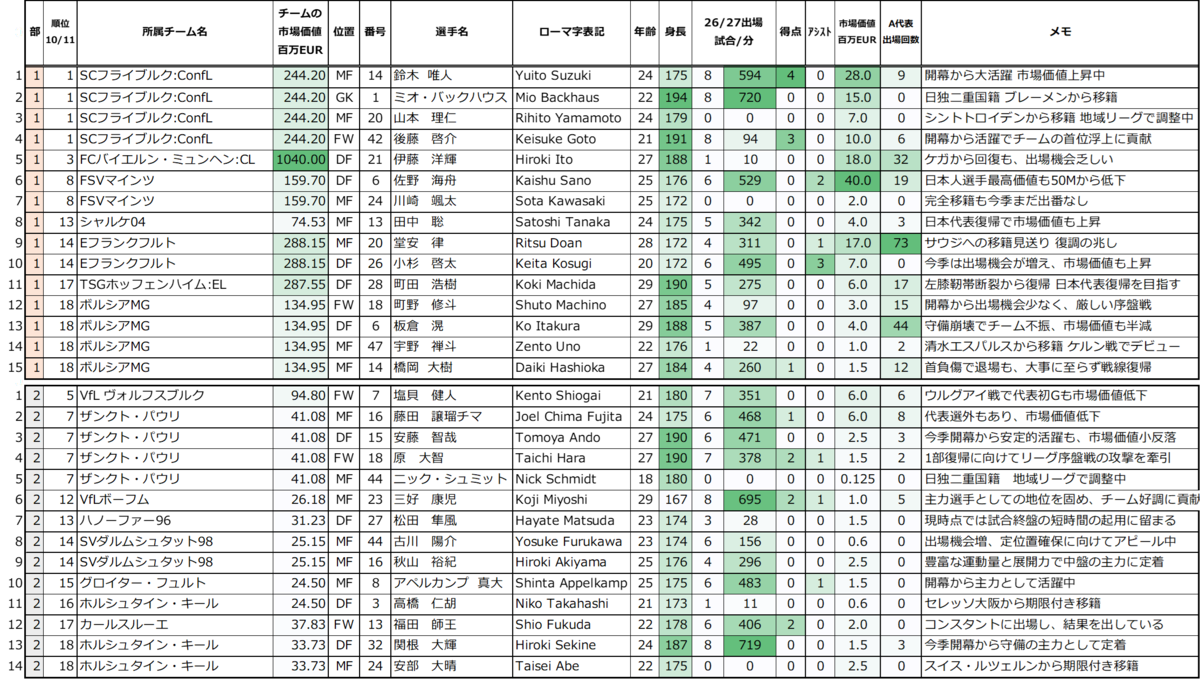
  • 現時点で1部15名、2部14名、計29名もの日本人選手がドイツブンデスリーガに所属している。
  • フライブルクの鈴木唯人選手は開幕戦でいきなりハットトリックの大活躍。
  • 今季から3部(上記リスト外)に降格してしまったフォルトゥナ・デュッセルドルフは、開幕2連敗と厳しいスタートを切ったが、その後2勝1分と健闘し、3部9位(全20チーム)に浮上。
  • 日本のプロ野球同様、ドイツではサッカーの話題がビジネス雑談ネタとして有効。
  • 地元チームの日本人選手の活躍ぶりは、同僚との心の距離を縮めるための格好の材料。

【ご参考】FIFA世界ランキング~ドイツ12位、日本17位。

FIFA/コカ・コーラ男子ワールドランキング


【毎日が必ずうまくいく366のヒント

prtimes.jp

解説ショート動画集

www.youtube.com


気に入って頂けましたら、今日の応援(↓ポチっと)よろしくお願いします(1秒で済みます)。
応援クリックは何よりも更新の励みになります。
ご質問などございましたら遠慮なくコメント欄にお寄せください。

ブログランキング・にほんブログ村へ にほんブログ村 海外生活ブログ ドイツ情報へ  にほんブログ村 外国語ブログ ドイツ語へ  にほんブログ村 投資ブログへ


ドイツ政党別支持率推移アップデート

 にほんブログ村 外国語ブログ ドイツ語へ  にほんブログ村 投資ブログへ


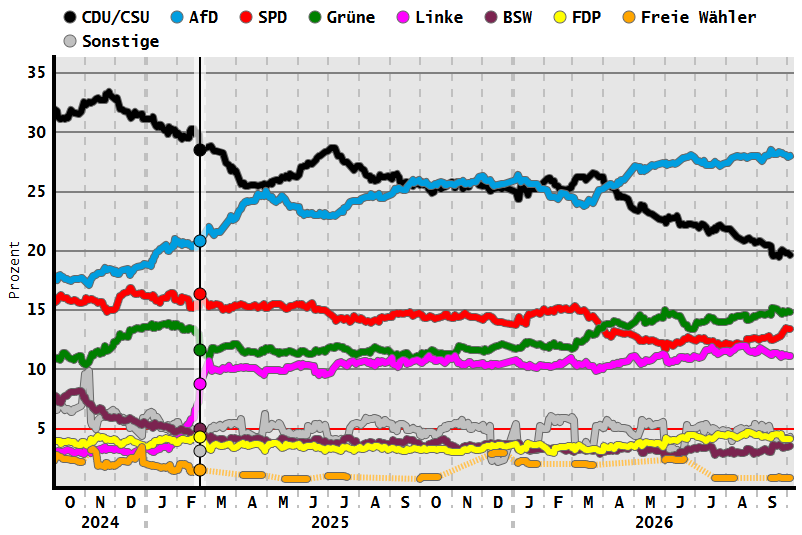
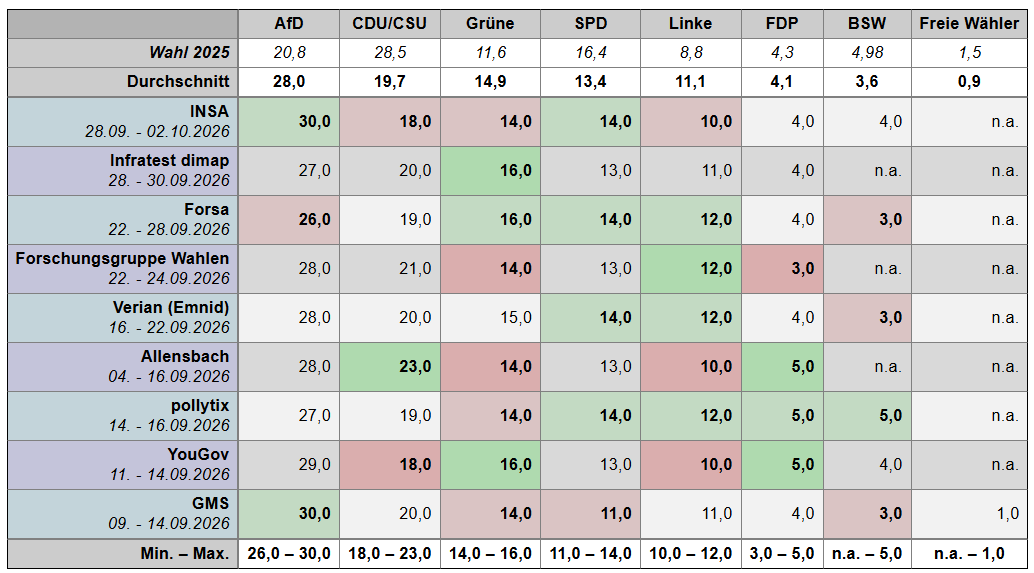
  • 主要調査機関加重平均ベースで AfD(青、極右)が28.1%とトップ独走。一般ドイツ有権者の約3割が極右的政策(移民・難民排斥、親露・EU/ユーロ離脱など)を支持しているという危険な状況。
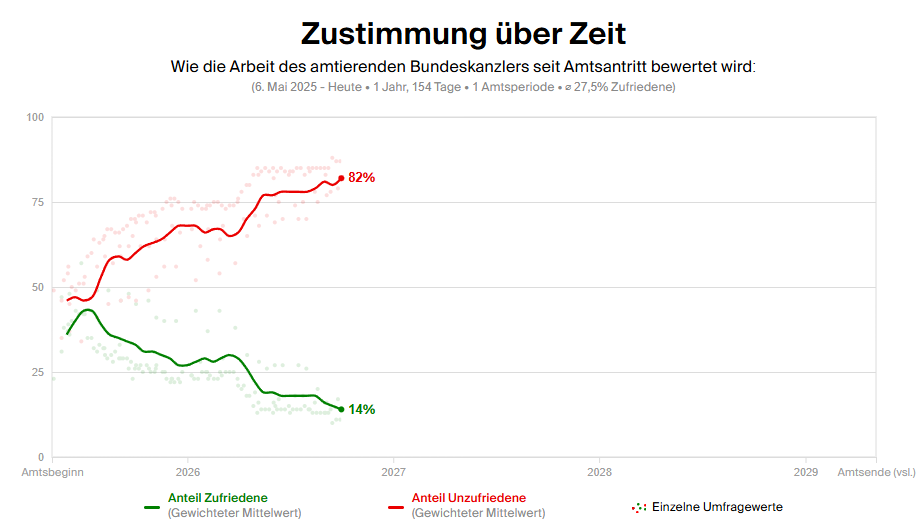
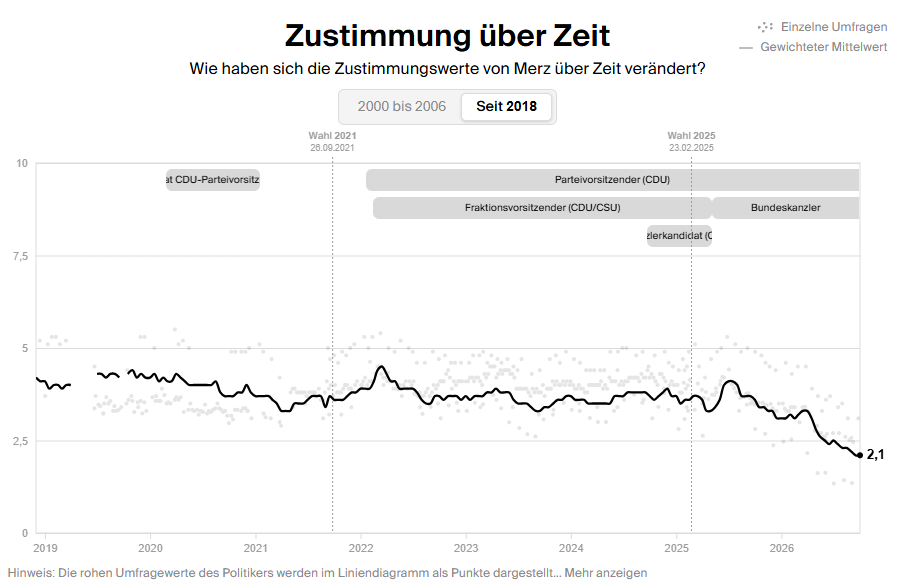
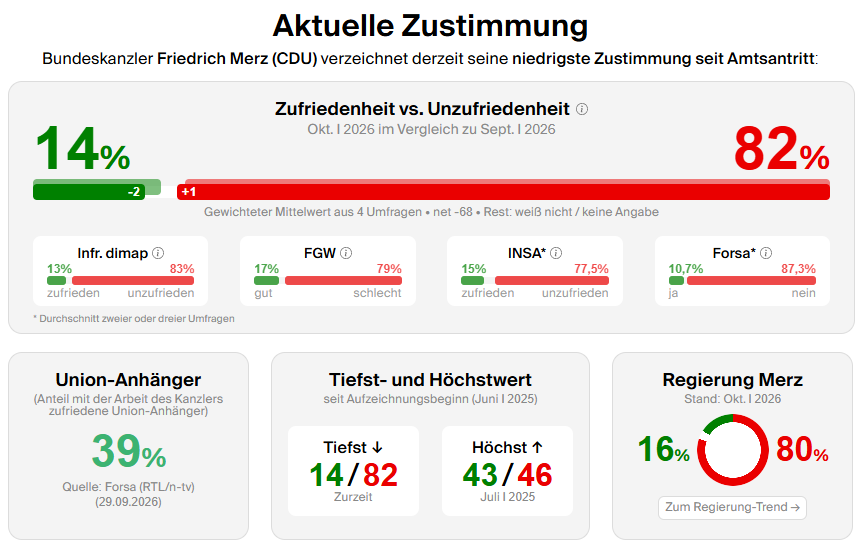
  • メルツ首相を擁するCDU/CSU(黒、中道右派)の支持率は20.5%まで低下。大胆な構造改革案は一般庶民の不安を掻き立てており、メルツ首相の自己的不人気とあいまってトレンド反転のきっかけをつかめていない。
  • AfDの躍進/CDUの低迷次第では、メルツ首相退任論が具体化しかねない


①ザクセン=アンハルト州(9月6日)~AfD圧勝で欧州全域に激震

  • AfDが39/83議席で第1党となったが、絶対多数まで3議席不足。
  • CDU・SPD・緑の「中道3党」連合でも31議席しかなく、過半数に届かない。
  • 左派(Linke)を加えても39議席で、BSWの協力がなければ多数派は作れない。
  • しかし、CDUはAfDとも左派とも協力を拒否しており、政治的に極めて難しい状況。
  • AfDは全党との協議を呼びかけ、特にCDUとBSWを主要ターゲットにしている。
  • AfDは「個別議員の引き抜き」の可能性にも言及し、少数派工作を示唆。
  • BSWは「特定政策での協力はあり得る」としつつ、AfDとの正式連立は否定。
  • BSWはAfDの少数政権(Minderheitsregierung)を容認する案も提示し、状況を左右する鍵に。
  • 最終的にはBSWの「第3投票(42票ではなく、過半数で州首相選出)での棄権」がAfD候補を押し上げる可能性がある。


②メクレンブルク=フォアポンメルン州(9月20日)
 ~SPD善戦も、AfDの第1党はほぼ確実

③ベルリン州(9月20日)~上位3党がダンゴ状態


AfD台頭の日本企業に対するインプリケーション

  • (特に海外スキル)人材の確保がより困難になり、労働コスト負担が一層増加する可能性大

  • 海外からの投資全般が冷え込み、経済低迷に陥りやすくなる

  • 今後のロビー活動・業界団体との連携においては、極右や極左が影響力を高めることを想定しておく必要がある。


【毎日が必ずうまくいく366のヒント】

www.youtube.com

【ドイツ駐在サバイバルノウハウ集】

dateno.hatenablog.com

気に入って頂けましたら、今日の応援(↓ポチっと)よろしくお願いします(1秒で済みます)。
応援クリックは何よりも更新の励みになります。
ご質問などございましたら遠慮なくコメント欄にお寄せください。

ブログランキング・にほんブログ村へ にほんブログ村 海外生活ブログ ドイツ情報へ  にほんブログ村 外国語ブログ ドイツ語へ  にほんブログ村 投資ブログへ


繰り返されるドイツ「PISAショック」に想う


<Japanese>

2025年のPISA結果は、日独の教育事情の差を改めて浮き彫りにしました。ドイツは全科目でOECD平均レベルまで後退し、メディアは「過去最低の出来」と報じています。移民・低所得層の教育格差、教員不足、老朽化した学校インフラなど、指摘されているポイントは毎回全て同じです。教育の崩壊は「国際競争上の不利」や「民主主義の崩壊」にもつながりかねないという危機感だけが空回りしています。一方、日本は今回も全科目でトップ5前後を維持しており、基礎教育が世界屈指の高水準で成功していることを証明しました。

しかし、ドイツに対する日本の優位性は社会に出た瞬間、見事に逆転されます。国際ビジネススクールIMD「世界人材競争力ランキング2025」では、ドイツが69カ国中13位に入るのに対し、日本は40位と大きく後れを取っています。世界トップレベルの学力を持つ日本の若者が、語学力の不足やメンバーシップ型雇用の非効率さによって、ビジネスの現場で十分に力を発揮できていない可能性が高いと思います。一方ドイツでは、ビジネススキルの標準化やスキルベースの働き方(ジョブ型雇用)が徹底されている上、公的な職業訓練や企業研修の仕組みが充実しており、それらが人材の質の高さを支えています。ドイツは基礎教育が弱くても、社会に出てからの育成で巻き返しに成功しているということです。

日独がお互いの強みから学べる余地はかなり大きいように思います。ドイツは若年層の基礎教育を立て直せば産業競争力強化に直結しそうですし、日本は若者の高いポテンシャルをビジネスで活かす仕組みさえ整えれば、相応の生産性向上が期待できそうです。文化や言語の違いはあるものの、ドイツは日本から「基礎教育の底上げ」を、日本はドイツから「職業教育とスキル開発の体系化」を学ぶことで、双方が抱える重要課題の解決が一歩前進するのではないかと思っています。


<English>

The 2025 PISA results have once again cast a stark light on the contrasting educational landscapes of Japan and Germany. Germany has retreated to the OECD average across all subjects, with the media describing it as their "worst performance to date." The points of critique remain stubbornly consistent: educational disparities affecting immigrant and low-income demographics, chronic teacher shortages, and aging school infrastructure. The mounting sense of crisis—warning that educational deterioration could precipitate a "disadvantage in global competitiveness" or even the "collapse of democracy"—seems to be spinning its wheels without yielding concrete progress. Conversely, Japan has retained its position within the top five across all disciplines, proving unequivocally that its foundational education remains remarkably successful on a world-class scale.

However, Japan's pronounced advantage over Germany is strikingly inverted the moment these young individuals enter the workforce. According to the IMD World Talent Ranking 2025, Germany secured the 13th position among 69 nations, whereas Japan lagged significantly behind at 40th. It is highly probable that Japan's youth, despite their exceptional academic prowess, are unable to fully leverage their capabilities in the business arena due to a lack of foreign language proficiency and the inherent inefficiencies of traditional membership-based employment models. In contrast, Germany's rigorous standardization of business competencies and its adoption of skill-based (job-based) employment paradigms, coupled with robust public vocational training and corporate development frameworks, profoundly underpin the exceptional caliber of its workforce. Essentially, Germany effectively compensates for its initial weaknesses in foundational education through comprehensive professional cultivation once individuals transition into society.

There appears to be substantial room for both nations to draw profound lessons from each other's respective strengths. For Germany, revitalizing early foundational education would likely translate directly into enhanced industrial competitiveness. For Japan, establishing systemic frameworks that harness the immense potential of its young professionals would undoubtedly yield corresponding surges in overall productivity. While acknowledging the inherent differences in culture and language, mutual exchange could serve as a decisive step forward. By Germany adopting strategies from Japan to elevate its baseline of basic education, and Japan looking to Germany for the systematization of vocational training and skill development, both countries can make significant strides in resolving their most critical challenges.


<German>

Die PISA-Ergebnisse von 2025 haben die erheblichen Unterschiede zwischen der japanischen und der deutschen Bildungslandschaft erneut deutlich vor Augen geführt. Deutschland ist in allen Fächern auf den OECD-Durchschnitt zurückgefallen, was in den Medien als „schlechtestes Abschneiden aller Zeiten“ bezeichnet wird. Die Kritikpunkte bleiben dabei stets dieselben: die Bildungsschere bei Migranten und einkommensschwachen Schichten, der Lehrermangel sowie eine veraltete Schulinfrastruktur. Die wachsende Alarmstimmung, dass ein Verfall der Bildung zu einem „Nachteil im internationalen Wettbewerb“ oder gar zum „Zusammenbruch der Demokratie“ führen könnte, läuft derzeit weitgehend ins Leere. Im Gegensatz dazu konnte sich Japan in allen Disziplinen erneut unter den besten fünf behaupten und beweist damit eindrucksvoll den weltweiten Spitzenstandard seiner Grundausbildung.

Japans Vorsprung gegenüber Deutschland kehrt sich jedoch in dem Moment, in dem die jungen Menschen in das Berufsleben eintreten, frappierend um. Im „World Talent Ranking 2025“ der internationalen Business School IMD belegt Deutschland Platz 13 von 69 Ländern, während Japan auf Platz 40 weit abgeschlagen ist. Es ist sehr wahrscheinlich, dass japanische Nachwuchskräfte trotz ihrer akademischen Leistungen auf Weltniveau ihr Potenzial in der Wirtschaft nicht voll ausschöpfen können. Dies liegt häufig an unzureichenden Fremdsprachenkenntnissen sowie an den Ineffizienzen des traditionellen, firmengebundenen Beschäftigungssystems („Membership-based Employment“). In Deutschland hingegen sichern die konsequente Standardisierung unternehmerischer Kompetenzen, eine fähigkeitsorientierte Arbeitsweise („Job-based Employment“) sowie ein exzellentes System aus staatlicher Berufsausbildung und betrieblicher Weiterbildung die hohe Qualität der Arbeitskräfte. Deutschland gelingt es demnach, Schwächen in der Grundbildung durch eine gezielte Förderung nach dem Eintritt in die Gesellschaft erfolgreich auszugleichen.

Das Potenzial für beide Länder, von den Stärken des jeweils anderen zu lernen, ist gewaltig. Würde Deutschland die schulische Grundausbildung seiner Jugend reformieren, käme dies einer direkten Stärkung der industriellen Wettbewerbsfähigkeit gleich. Japan wiederum könnte eine signifikante Produktivitätssteigerung erwarten, wenn es Strukturen schaffen würde, die das hohe Potenzial seiner jungen Talente im Berufsalltag besser nutzbar machen. Auch wenn kulturelle und sprachliche Unterschiede bestehen, so könnte ein wechselseitiger Austausch einen entscheidenden Schritt zur Lösung der drängendsten Probleme beider Seiten bedeuten: Deutschland könnte von Japan die „Anhebung des Grundbildungsniveaus“ lernen, während Japan sich das deutsche Modell der „Systematisierung von beruflicher Bildung und Kompetenzentwicklung“ zum Vorbild nehmen könnte.

 
【日独経済日記YouTubeチャンネル】
ドイツ政治経済情報からドイツ関連小ネタ(ベストセラー本の紹介など)、幅広いテーマカバーしています。よろしければ是非!

www.youtube.com


気に入って頂けましたら、今日の応援(↓ポチっと)よろしくお願いします(1秒で済みます)。
応援クリックは何よりも更新の励みになります。
ご質問などございましたら遠慮なくコメント欄にお寄せください。

ブログランキング・にほんブログ村へ にほんブログ村 海外生活ブログ ドイツ情報へ  にほんブログ村 外国語ブログ ドイツ語へ  にほんブログ村 投資ブログへ


巨大ドイツ市場に大挙して押し寄せつつある中国車

援クリックは何よりも更新の励みになります。
ブログランキング・にほんブログ村へ にほんブログ村 海外生活ブログ ドイツ情報へ  にほんブログ村 外国語ブログ ドイツ語へ  にほんブログ村 投資ブログへ

欧州34か国におけるシェア~中国勢が8.7%まで急拡大

以下、ハンデルスブラット紙の分析内容要約:

  • 中国自動車メーカーは欧州で爆発的にシェアを伸ばし、いよいよドイツ市場の攻略を本格化しようとしている。
  • 欧州メーカーは価格・技術・スピード面で劣勢に立っており、構造的危機に陥っている。
  • 欧州における中国車のシェア:2021年0.6%→2026年8.7%。存在感ゼロから一気に主要プレイヤー化。
  • 2026年1〜7月だけで中国車の新規登録は約78万台。2025年通年とほぼ同水準で、成長速度が異常に速い。
  • 欧州攻略は、南欧・東欧・英国で先行。ここで販売・サービス体制を整え、次のターゲットとして最難関のドイツ市場に本格参入しようとしている。
  • 中国勢の攻勢激化を受けて、欧州メーカーの危機感が急上昇。価格競争が激化し、もともと低収益の欧州メーカーのマージンがさらに圧迫されつつある。
  • BYD・MG・Geelyなどが特に強い。EVだけでなく、ハイブリッドやガソリン車でも競争力を発揮している。
  • 中国メーカーによる輸出の爆発的増加が続いている。8月だけで輸出台数が前年比+78%。欧州向けの供給量が大幅に増加。
  • 欧州メーカーの弱点:価格・技術・スピード。中国勢は高品質・低価格・短い開発サイクルで欧州勢を圧倒しつつある。
  • ドイツ市場は巨大であり、中国勢にとっても非常に魅力的ながら、ブランド忠誠度が強く、販売網構築が容易でないため、中国勢は慎重に段階的戦略を採用。
  • ドイツでの中国車のシェアは4%程度とまだ比較的低い。
  • 欧州市場は自動車に対する関税が米国より低いため、中国車が流入しやすい。
  • 中国勢の急拡大は一時的現象ではなく、欧州メーカーの競争力低下が背景。


【毎日が必ずうまくいく366のヒント

prtimes.jp

解説ショート動画集

www.youtube.com


気に入って頂けましたら、今日の応援(↓ポチっと)よろしくお願いします(1秒で済みます)。
応援クリックは何よりも更新の励みになります。
ご質問などございましたら遠慮なくコメント欄にお寄せください。

ブログランキング・にほんブログ村へ にほんブログ村 海外生活ブログ ドイツ情報へ  にほんブログ村 外国語ブログ ドイツ語へ  にほんブログ村 投資ブログへ